


How to build an aluminum fence
 Jun 15, 2026|
 View:487
Aluminum fences have become a popular choice for homeowners and property managers seeking a blend of durability, aesthetics, and low maintenance. Unlike traditional wrought iron or wooden fences, aluminum fences resist rust, require minimal upkeep, and offer a sleek, modern appearance. Whether you’re looking to enhance security, define boundaries, or add curb appeal, building an aluminum fence is a practical and cost-effective solution. This guide will walk you through the step-by-step process of constructing an aluminum fence, from planning to installation, while highlighting key considerations and safety tips.
Part 1: How to Build an Aluminum Fence
Building an aluminum fence involves careful planning, precise measurements, and systematic installation. Below is a detailed breakdown of the process:
1.Planning and Design
Before purchasing materials, assess your property’s layout and determine the fence’s purpose. Are you enclosing a pool, securing a yard, or adding decorative elements? Sketch a rough design, noting gate locations, corners, and slopes. Measure the perimeter accurately, accounting for gates and any obstacles like trees or rocks.
Key Steps:
Check Local Regulations: Contact your local municipality to confirm zoning laws, height restrictions, and property line setbacks.
Choose a Style: Aluminum fences come in various designs, such as picket, spear-top, or ornamental. Select a style that complements your home’s architecture.
Order Materials: Purchase pre-fabricated aluminum fence panels, posts, gates, and hardware from a reputable supplier. Ensure all components are galvanized or powder-coated for weather resistance.
2.Preparing the Site
Clear the area where the fence will be installed. Remove debris, rocks, and vegetation. Mark the fence line using stakes and string, ensuring straight lines and right angles at corners. For sloped terrain, decide whether to use stepped panels (for steep slopes) or raked panels (for gradual slopes).
Tools Needed:
Measuring tape
String line and stakes
Post hole digger or auger
Level
Shovel
Concrete mix (optional)
3.Installing Fence Posts
Posts provide the structural foundation for your aluminum fence. Dig holes at least 24 inches deep (or as local codes require) and 10–12 inches in diameter. For added stability, pour concrete into the holes and insert the posts, ensuring they are plumb (vertical) using a level. Allow the concrete to cure for 24–48 hours before proceeding.
Pro Tip:
Use temporary braces to hold posts in place while the concrete dries.
Space posts according to the manufacturer’s recommendations, typically 6–8 feet apart.
4.Attaching Fence Panels
Once the posts are secure, attach the aluminum fence panels. Slide the rails of each panel into the pre-drilled holes in the posts. Use screws or brackets provided by the manufacturer to secure the panels. For gates, install hinges and latches according to the instructions, ensuring smooth operation.
Common Mistakes to Avoid:
Over-tightening screws, which can warp the panels.
Ignoring gaps at the bottom of the fence, which may allow small animals to enter.
5.Finishing Touches
Inspect the fence for loose components or uneven sections. Add decorative finials or caps to posts if desired. Clean the fence with soap and water to remove dirt or fingerprints, and apply a protective wax or sealant if recommended by the manufacturer.
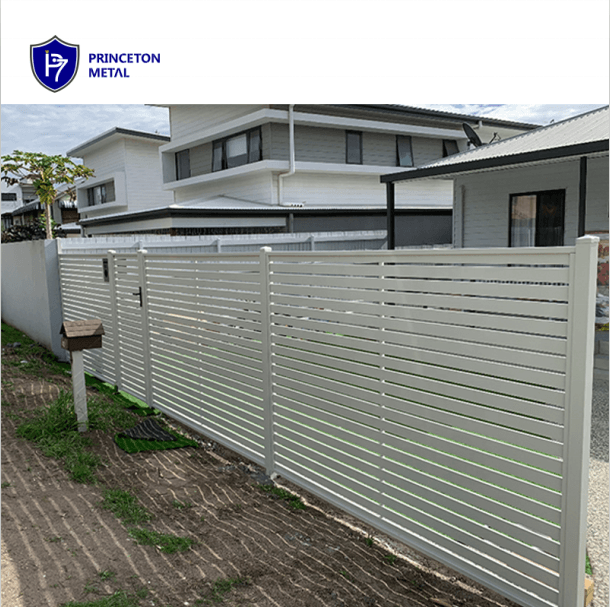
Part 2: Key Considerations When Building an Aluminum Fence
1.Soil and Climate Conditions
Aluminum fences perform well in most climates but may corrode in areas with high salt exposure (e.g., coastal regions). Opt for marine-grade aluminum or additional coatings if you live near the ocean. In soft soil, deepen post holes or use longer posts to prevent leaning.
2.Gate Placement and Size
Gates are critical for accessibility. Place them near driveways or pathways and ensure they open inward (away from traffic). Measure the width of vehicles or equipment that will pass through the gate to avoid future headaches.
3.Hiring Professionals vs. DIY
While building an aluminum fence is manageable for experienced DIYers, complex projects (e.g., fences on steep slopes or with custom designs) may require professional help. Contractors have specialized tools and expertise to handle challenges efficiently.
4.Budgeting
Aluminum fences are mid-range in cost compared to wood or vinyl. Factor in the price of panels, posts, gates, hardware, and tools. Ordering in bulk or choosing simpler designs can reduce expenses.
Part 3: Safety and Maintenance Tips
1.Safety Precautions
Wear gloves and safety goggles when handling aluminum panels to avoid sharp edges.
Use caution when operating power tools like augers or drills.
Check for underground utilities (e.g., gas lines, cables) before digging post holes.
2.Long-Term Maintenance
One of the biggest advantages of an aluminum fence is its low maintenance. However:
Clean Regularly: Rinse the fence with a hose twice a year to remove dirt and grime.
Inspect for Damage: Check for loose screws, dents, or rust spots (though rare).
Touch Up Paint: If the coating chips, apply touch-up paint to prevent corrosion.
3.Repairing Damage
Aluminum fences are durable but can dent under impact. Replace damaged panels by unscrewing them from the posts and installing new ones. For minor scratches, use automotive touch-up paint matching the fence’s color.
Conclusion
Building an aluminum fence is a rewarding project that enhances your property’s security and appearance. By following the steps outlined in this guide—from planning and site preparation to installation and maintenance—you can construct a sturdy, attractive fence that lasts for decades. Remember to prioritize safety, adhere to local regulations, and choose high-quality materials to maximize your investment. Whether you’re a seasoned DIY enthusiast or a first-time builder, an aluminum fence offers a hassle-free solution to your fencing needs.
With its resistance to rust, minimal upkeep, and versatile designs, an aluminum fence is not just a practical choice—it’s a stylish addition to any home or garden. Start planning today, and enjoy the benefits of a beautiful, long-lasting fence for years to come.