What is the average cost of an aluminum fence
 Jan 26, 2026|
 View:1112
When considering adding a fence to your property, an aluminum fence stands out as a popular choice due to its durability, low maintenance, and aesthetic appeal. However, one of the primary concerns for homeowners and property managers is the cost associated with installing an aluminum fence. Understanding the average cost can help in budgeting and making informed decisions. This article delves into the various factors that influence the cost of an aluminum fence, providing a comprehensive overview to guide your purchasing process.
Understanding Aluminum Fences
Before discussing costs, it's essential to understand what makes aluminum fences a preferred option. Aluminum fences are known for their resistance to rust and corrosion, making them ideal for various climates, especially those with high humidity or salt air. They require minimal upkeep compared to wood or iron fences, as they do not need painting or staining and are not prone to rot or insect damage. Additionally, aluminum fences come in a wide range of styles, from simple and functional to ornate and decorative, allowing for customization to match any property's aesthetic.
Factors Influencing the Cost of an Aluminum Fence
The cost of an aluminum fence can vary significantly based on several factors. Here are the key elements that contribute to the overall price:
1.Fence Height and Length
The most straightforward factor affecting cost is the size of the fence. Taller and longer fences require more materials and labor, thus increasing the total expense. Typically, aluminum fences range from 3 to 8 feet in height, with each increment in height adding to the cost. Similarly, the linear footage of the fence directly correlates with the amount of aluminum needed, impacting the final price.
2.Style and Design
Aluminum fences come in numerous styles, from basic picket fences to elaborate designs with intricate patterns and decorative elements. The complexity of the design influences the manufacturing cost, with more ornate fences being pricier. Additionally, custom designs or special features like gates, finials, or scrollwork will further elevate the cost.
3.Quality of Materials
Not all aluminum fences are created equal. The quality of the aluminum used, including its thickness (gauge), affects both the durability and cost. Thicker gauges offer greater strength and longevity but come at a higher price point. High-quality finishes, such as powder coating, which enhances the fence's resistance to weathering and fading, also add to the cost.
4.Installation Complexity
The ease or difficulty of installing the fence plays a significant role in determining the overall cost. Factors such as the terrain's slope, the presence of obstacles like trees or rocks, and the need for excavation or grading can increase labor costs. Additionally, if the installation requires permits or inspections, these administrative expenses should also be considered.
5.Geographical Location
The cost of labor and materials can vary by region. Areas with a higher cost of living or where demand for fencing services is high may see higher installation fees. Similarly, shipping costs for materials can influence the final price, especially in remote or less accessible locations.
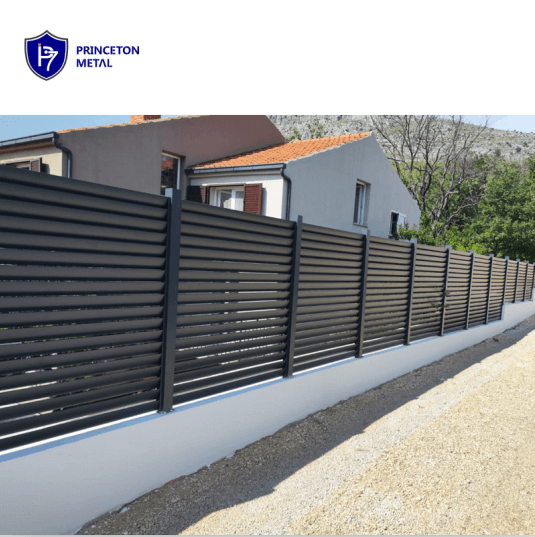
Average Cost Breakdown
Given these variables, providing an exact average cost for an aluminum fence is challenging. However, a general estimate can be given based on common scenarios. On average, homeowners can expect to pay between 25 and 40 per linear foot for a standard residential aluminum fence, including materials and installation. This range can extend to $50 or more per linear foot for taller, more elaborate designs or in areas with higher labor costs.
For a basic 4-foot tall aluminum fence covering 100 linear feet, the total cost might range from 2,500 to 4,000. For a more decorative 6-foot fence over the same distance, the cost could increase to 4,000 to 6,000 or more, depending on the design complexity and quality of materials.
Cost-Saving Tips
While aluminum fences represent a significant investment, there are ways to manage costs without compromising on quality or aesthetics:
Shop Around: Obtain multiple quotes from reputable fencing contractors to compare prices and services.
Choose Standard Styles: Opting for simpler, more common designs can reduce manufacturing costs.
DIY Installation: If you have the skills and tools, installing the fence yourself can save on labor costs. However, ensure you understand local regulations and obtain necessary permits.
Bundle Services: Some contractors offer discounts when combining fence installation with other services, such as landscaping or gate installation.
Maintain Existing Fence: If your current fence is still structurally sound but needs a facelift, consider refinishing or adding decorative elements instead of a full replacement.
Conclusion
The average cost of an aluminum fence is influenced by a multitude of factors, including height, length, style, material quality, installation complexity, and geographical location. While the initial investment may seem substantial, the long-term benefits of durability, low maintenance, and aesthetic appeal make aluminum fences a worthwhile consideration for many homeowners. By understanding the cost components and exploring cost-saving strategies, you can make an informed decision that balances your budget with your fencing needs. Whether you're looking to enhance security, privacy, or curb appeal, an aluminum fence offers a versatile and long-lasting solution that can add value to your property for years to come. When planning your fencing project, carefully evaluate these factors to ensure you select an aluminum fence that meets both your aesthetic preferences and financial constraints.