


how hard is it to install aluminum fence
 Mar 21, 2025|
 View:2167
Installing an aluminum fence may seem like a daunting task for first-time DIYers, but with proper planning and preparation, it can be a rewarding project that enhances both security and aesthetics. Whether you’re upgrading your property’s perimeter, defining garden boundaries, or adding a decorative element, understanding the process of installing an aluminum fence is key to determining its difficulty level. Let’s break down the steps, challenges, and factors that influence the overall complexity.
1.Planning and Preparation: The Foundation of Success
Before diving into installation, thorough planning is crucial. Start by measuring the perimeter where the fence will be installed. Aluminum fences are typically sold in panels, so accurate measurements ensure you purchase the correct quantity. Consider obstacles like trees, slopes, or existing structures that might complicate panel alignment. Also, check local building codes and homeowner association (HOA) guidelines to avoid costly mistakes. For instance, some regions require permits for fences exceeding a certain height, while HOAs might specify color or style restrictions.
Next, gather your tools. Common essentials include a post-hole digger, level, tape measure, shovel, concrete mix, and a wrench. If your property has rocky soil, a power auger could be necessary. Organizing these materials in advance prevents mid-project delays.
2.The Installation Process: Step-by-Step
The core installation involves setting posts, attaching panels, and securing gates. Begin by marking post locations every 6–8 feet, ensuring they’re aligned and level. Dig holes 2–3 feet deep (or as specified by local frost line requirements) and 10 inches in diameter. Insert post sleeves or anchors, then fill the holes with concrete. Let the concrete cure for at least 24 hours before attaching panels.
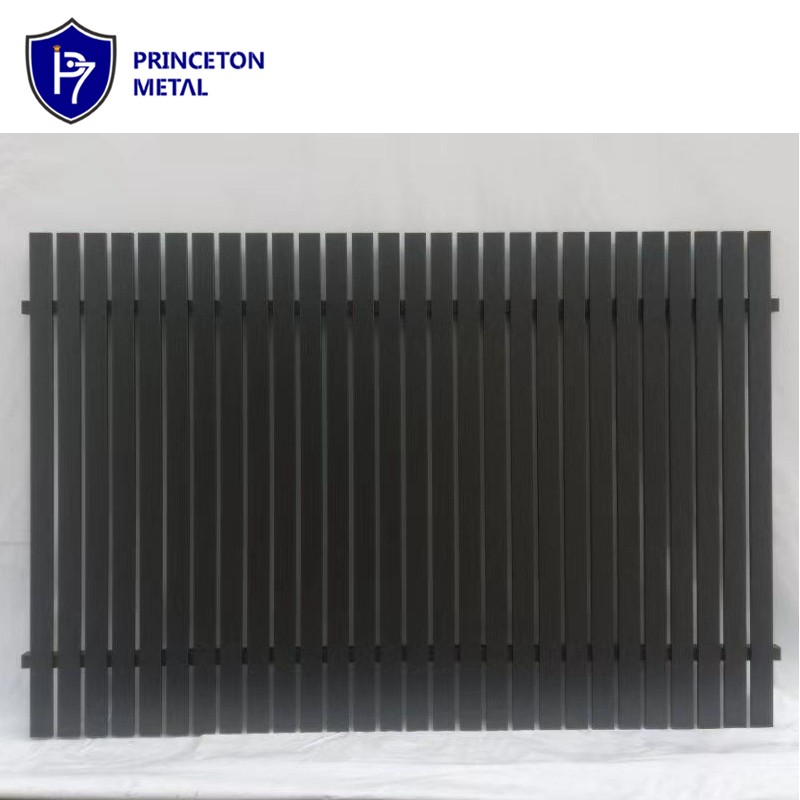
Attaching aluminum fence panels is straightforward: most systems use brackets or screws to connect panels to posts. Ensure each panel is level and aligned with adjacent sections. Gates require additional hardware, such as hinges and latches, and may need a post with a wider diameter for stability.
3.Challenges to Anticipate
While aluminum fences are designed for DIY-friendliness, several challenges can arise. Uneven terrain demands creative solutions, such as stepped panels or rackable systems that adjust to slopes. If soil is soft or sandy, posts may need deeper holes or additional support to prevent leaning.
Another hurdle is working with pre-assembled panels. Aluminum fences are heavier than vinyl or wood alternatives, making solo installation tricky. Enlisting a helper ensures panels are lifted and positioned safely. Additionally, gates must swing freely without dragging, requiring precise hinge placement and alignment.
4.Time and Cost Considerations
The time required depends on fence length and complexity. A 100-foot fence might take two people 1–2 days, while a 200-foot project with multiple gates could stretch to a weekend. Costs vary by panel style, height, and accessories. Basic aluminum fences range from 25–40 per linear foot, while decorative grades can exceed $60. Factor in tools, concrete, and potential professional help for complex sections.
5.When to Seek Professional Help
While many homeowners successfully install aluminum fences, certain scenarios warrant hiring a contractor. Steep slopes, rocky soil, or intricate designs (e.g., arched gates) benefit from professional expertise. If time is limited or you lack confidence in your DIY skills, outsourcing ensures accuracy and warranty compliance.
Conclusion
Installing an aluminum fence is moderately challenging but achievable for most DIY enthusiasts with patience and attention to detail. The difficulty lies in proper planning, precise measurements, and managing terrain or soil conditions. Aluminum’s lightweight yet durable nature simplifies the process compared to wrought iron or wood, and its modular design reduces complexity. However, factors like uneven ground, gate installation, or time constraints may tip the scales toward professional assistance.
Ultimately, the reward of a sleek, low-maintenance aluminum fence—enhancing privacy, security, and curb appeal—makes the effort worthwhile. Whether tackling it yourself or partnering with pros, the result is a valuable addition to any property. For those willing to invest time in preparation and follow systematic steps, mastering the art of aluminum fence installation is a feasible and fulfilling endeavor.