


How much does 200 feet of aluminum fence cost installed
 Aug 25, 2026|
 View:178
Installing 200 feet of aluminum fence typically costs $5,000 to $14,000. This range depends on height, style, and location. For example, a 4-foot picket fence on flat land costs far less than a 6-foot ornamental design on a sloped yard. Industry data shows an installed cost of $30 to $60 per linear foot, which translates to $6,000 to $12,000 for 200 feet. However, your final price can vary based on local labor rates, gate additions, and terrain complexity.
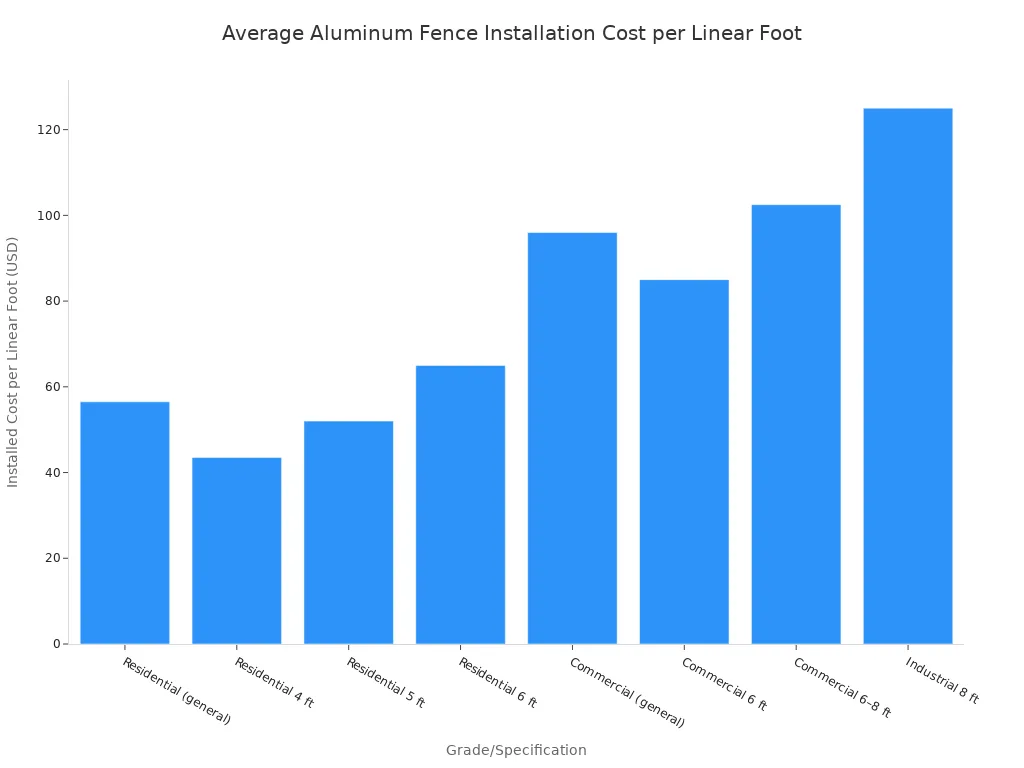
Understanding these factors helps you get accurate quotes tailored to your property.
Key Takeaways
Installing 200 feet of aluminum fence costs $5,000 to $15,000.
Material costs range from $20 to $45 per linear foot.
Labor costs add $25 to $50 per linear foot.
Fence height, style, terrain, and local labor rates affect the final price.
Get at least three written quotes and compare them line by line.
Aluminum Fence Cost Range for 200 Feet
Typical Price Range for 200 Feet
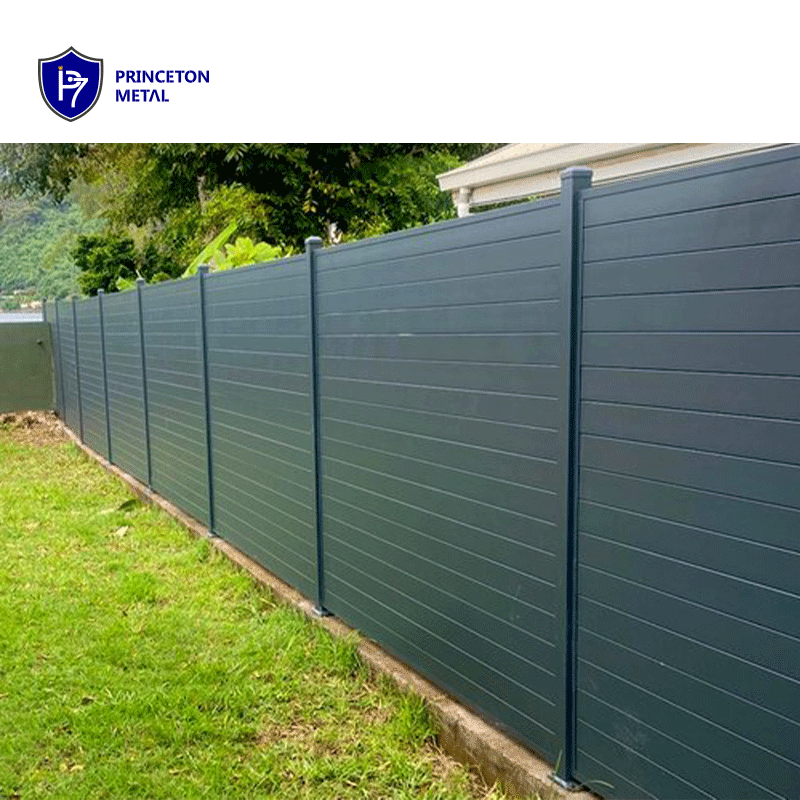
For your 200-foot aluminum fence, the total installed cost typically falls between $5,000 and $14,000. According to a 2026 estimate from 904defence.com, the range is $5,000 to $14,000 based on an installed price of $25 to $70 per linear foot. Other sources report a narrower range of $30 to $60 per linear foot, which translates to $6,000 to $12,000 for 200 feet. This wide range reflects variations in fence height, style, and your property's location. A 4-foot picket fence on flat terrain will cost less than a 6-foot ornamental design with multiple gates. The number of gates, the complexity of the installation, and local labor rates all play a role. For example, a simple 4-foot picket fence on flat ground will cost significantly less than a 6-foot ornamental fence on a sloped lot.
To give you context, wood fences (pine or cedar) cost $20 to $60 per linear foot installed, while vinyl fences range from $25 to $60 per linear foot. However, aluminum offers superior longevity and lower maintenance, which can offset its higher initial cost over time. The following table compares the long-term cost of vinyl and aluminum for a 200-foot fence.
Cost Factor | Vinyl (200 ft) | Aluminum (200 ft) |
|---|---|---|
Installation | $4,400–$5,600 | $5,200–$7,000 |
25-Year Replacement | $4,400–$5,600 | $0 |
30-Year Total | $8,800–$11,200 | $5,200–$7,000 |
Panel/Picket Repair | $200–$400 (entire panel) | $50–$100 (single picket) |
Aluminum's durability means you avoid the cost of replacing the entire fence after 25 years, making it a more economical choice over the long term. Additionally, aluminum never needs painting or staining, and it resists rust and corrosion, saving you money on maintenance over the years. When you choose a quality manufacturer, you get a fence that is built to last with minimal upkeep. Customization options such as puppy pickets or decorative finials may add a small premium to the material cost, but they enhance the appearance and functionality of your fence.
What's Included in the Cost
When you receive a quote for your aluminum fence installation, it should clearly outline all included items and services. Most reputable installers include the following in their price. These items ensure you get a complete and professional installation.
Customization options such as pressed spear tops, flat top rails, puppy pickets, and decorative finials.
Hidden fastener systems for a clean, polished look.
Powder-coated finishes in multiple color options to match your home.
Comprehensive product and installation warranties for peace of mind.
Licensed and insured professionals handling the entire installation.
Proper installation that meets all local building codes.
Free quotes and detailed estimates with clear communication.
Gates and access points built to your specifications.
Decorative post caps and finials to enhance appearance.
Services such as utility line marking, site cleanliness, and a final walkthrough of gates.
Low bids frequently exclude demolition and disposal, permit fees, post concrete, or site-prep line items that legitimate bids include. Comparing bids requires line-item decomposition, not headline totals.
Items often excluded from quotes include permit fees ($150–$300), HOA ARC fees ($50–$150), existing fence removal ($1–$4 per linear foot), tree root conflicts ($200–$500), and HOA submission preparation. Be sure to ask your installer for a complete list of exclusions so you can compare quotes accurately. Also, note that staining or painting and landscaping repair are not part of the standard installation quote. Understanding these exclusions helps you avoid surprise costs later.
Cost Breakdown for Your Fence
Material Costs Per Linear Foot
Material costs vary based on the style and design you choose. Standard flat-top designs are at the lower end, while ornamental styles with scrolls, arches, or spear-tops cost more. Custom design panels can reach $85–$120 per panel, while standard residential panels run $45–$65 per panel. You can see how design complexity directly affects your material budget.
The quality of materials also matters. A reputable manufacturer uses thicker gauge aluminum and premium powder-coated finishes. These materials resist rust, corrosion, and fading far better than cheaper alternatives. You pay a bit more upfront, but you avoid replacement costs down the road. Many manufacturers also offer customization options like puppy pickets and decorative finials. These features add a small premium but enhance both appearance and function. For a 200-foot project, material costs alone can vary significantly depending on your choices.
Labor and Installation Fees
Labor and installation fees are included in the total installed cost, which ranges from $30 to $60 per linear foot for most residential projects. This fee covers site preparation, digging post holes, setting posts in concrete, and assembling the panels. Professional installers also handle gate installation and ensure everything meets local building codes. Your final cost depends on terrain difficulty, soil conditions, and local wage rates.
Additional costs can appear beyond the basic installation. Gates add $200 to $800 for a walk gate, and $1,000 or more for a driveway gate, depending on size and style. If you need to remove an existing fence, expect to pay $1 to $4 per linear foot for demolition and disposal. Permit fees typically run $150 to $300, and HOA approval may cost another $50 to $150. These extras can add $1,000 or more to your total project cost.
When you compare quotes, ask for a detailed breakdown of both materials and labor. This transparency helps you see where your money goes. Investing in quality materials from a trusted manufacturer may raise your initial material cost, but the durability and low maintenance save you money over the fence's lifetime. You avoid painting, sanding, and frequent repairs that other materials require.
Factors That Affect Cost
Fence Height and Style
Height drives your price more than any other choice. A 4-foot fence costs $35 to $52 per linear foot installed. A 6-foot fence costs $52 to $78 per linear foot. That difference adds $3,400 to $5,200 across a 200-foot project. Taller fences need more material and more labor to set securely.
Style also matters. Simple picket designs with flat tops sit at the lower end of the range. Ornamental styles with scrolls, spear tops, or arched gates require extra manufacturing steps. These features raise both material and labor costs. Privacy styles with closer picket spacing use more aluminum per panel, pushing costs higher still.
When you choose a reputable manufacturer, you pay for quality that lasts. Their fences use thicker gauge aluminum and premium powder-coated finishes. You might spend more upfront, but you avoid replacement costs for decades. Many manufacturers also offer customization options like puppy pickets or decorative finials. These add a small premium but improve both looks and function.
Terrain, Soil, and Local Labor Rates
Your property's ground conditions affect installation difficulty. Flat yards with loam soil are ideal. Installers follow standard procedures with no adjustments needed. Sandy soil may require deeper post holes to ensure stability. Expansive soil that swells when wet may require specially designed footings.
Rocky ground creates the biggest challenges, often requiring specialized equipment. Each soil type adds labor time and material costs.
Sloped yards add complexity too. Gradual slopes work fine with rackable panels that flex to follow the ground. Steep transitions, retaining walls, and multiple elevation changes require custom panel cuts and extra posts. These adjustments increase planning time and labor hours significantly.
Local labor rates also vary widely. Urban areas with higher wages see higher installation quotes. Rural regions often offer lower rates. Your final price reflects all these factors combined, so get multiple quotes from local installers who understand your area's conditions.
Getting Accurate Quotes for Aluminum Fence
What to Ask Installers Before Hiring
Getting accurate quotes starts with asking the right questions. You need at least three written estimates from different companies. Each quote should itemize materials, labor, and any potential additional costs. This breakdown helps you compare bids fairly and spot hidden fees.
Before you schedule a site visit, prepare a list of questions. Ask about licensing and insurance first. A valid contractor's license shows the installer meets required standards. General liability and workers' compensation insurance protect you from property damage and on-site injuries. Request references from past clients or check online reviews. Look specifically for feedback on aluminum fence projects.
Ask about the installer's experience. An established company handles installation challenges more effectively. Request a step-by-step outline of their process. This includes site preparation, permit handling, and final inspection. Confirm they provide aluminum fencing options specifically. Some companies specialize in wood or vinyl and lack aluminum expertise.
Ask about the timeline. Knowing how long the project takes helps you plan. Also ask the installer to assess your property for challenges. Uneven terrain, rocky soil, or difficult configurations can affect both budget and schedule. A thorough installer identifies these issues during the quote process.
Cost Scenarios for 200 Feet
Real-world examples help you understand what your project might cost. Consider two common scenarios for a 200-foot aluminum fence.
Scenario one: A 4-foot picket fence on flat terrain with standard soil. This simple installation costs at the lower end of the overall range. The installer follows standard procedures with no adjustments. Labor time stays predictable, and material costs remain at the lower end of the range.
Scenario two: A 6-foot ornamental fence on sloped terrain with rocky soil. This complex project costs at the higher end of the overall range. The installer must dig deeper post holes or use specialized equipment for rock. Sloped ground requires rackable panels or custom cuts. Each adjustment adds labor hours and material costs.
These scenarios show why location matters. Urban areas with higher wages see higher quotes. Rural regions often offer lower rates. Your final price reflects all these factors combined.
Remember to compare quotes line by line. A low headline price often excludes demolition, permit fees, or site preparation. Ask each installer for a complete list of inclusions and exclusions. This transparency ensures you compare apples to apples.
Your 200-foot aluminum fence project will likely cost $5,000 to $14,000 installed. Material and labor form the two main cost components. Material prices vary based on style and design, and labor is included in the total installed cost. Terrain, height, and style shift your final number within this range.
Get at least three written quotes before committing. Compare each bid line by line. Ask about exclusions like permits or old fence removal. These details prevent surprise expenses later.
Investing in a quality aluminum fence from a reputable manufacturer saves money over time. You avoid painting, sanding, and frequent repairs. The durable powder-coated finish resists rust and fading for decades.
Start planning your fence project today. Contact local installers for free estimates and transform your property with a lasting investment.
FAQ
How long does an aluminum fence last?
A quality aluminum fence lasts 30 years or more. The powder-coated finish resists rust, corrosion, and fading. Unlike wood or vinyl, you won't replace panels or repaint sections. Reputable manufacturers back their products with comprehensive warranties, giving you peace of mind for decades.
Do I need a permit for my fence installation?
Most municipalities require a permit for fence installation. Permit fees typically range from $150 to $300. Your installer should handle the permit process. Ask about this during your quote. Some HOAs also require approval, which costs $50 to $150. Check local regulations before starting.
Can you install an aluminum fence on a slope?
Yes, installers can handle sloped terrain. Gradual slopes work with rackable panels that flex to follow the ground. Steep slopes require custom cuts and extra posts. These adjustments add labor time and material costs. A professional installer will assess your property and provide an accurate quote.
How much maintenance does aluminum fencing require?
Aluminum fencing requires almost no maintenance. You never need to paint, stain, or sand the surface. The powder-coated finish resists rust and corrosion. Occasional cleaning with soap and water keeps it looking new. This low-maintenance feature saves you time and money compared to wood or vinyl options.
What is the difference between aluminum and wrought iron?
Aluminum offers the same elegant look as wrought iron but weighs less and never rusts. Wrought iron requires regular painting to prevent corrosion. Aluminum comes with a factory-applied powder coating that lasts for years. You also get more design options with aluminum, including decorative finials and puppy pickets.