


How to install aluminum fence on retaining wall
 Oct 14, 2025|
 View:1408
Retaining walls serve as critical structural elements in landscaping, designed to hold back soil and prevent erosion while creating level terrains for gardens, driveways, or patios. However, they often lack boundaries or security features, making the installation of a fence a practical enhancement. Among fencing options, aluminum fences stand out for their durability, lightweight design, and low maintenance. Installing an aluminum fence on a retaining wall combines aesthetic appeal with functional safety, but it requires careful planning to ensure structural integrity. This guide provides step-by-step instructions, safety considerations, and expert tips to help you achieve a seamless installation.
Part 1: Solutions for Installing Aluminum Fence on Retaining Wall
1.Assess the Retaining Wall’s Condition
Before installation, evaluate the retaining wall’s material (concrete, stone, or timber) and its structural soundness. Aluminum fences are lightweight but still exert pressure on anchor points. Cracks, loose blocks, or water damage can compromise stability. Consult a structural engineer if the wall is old or shows signs of weakness.
2.Gather Tools and Materials
Essential tools include:
Measuring tape and level
Power drill with masonry bits (for concrete walls)
Welding equipment (if attaching to metal posts)
Screws, bolts, and anchor brackets
Post hole digger (if extending posts into the ground)
For the aluminum fence, ensure you have:
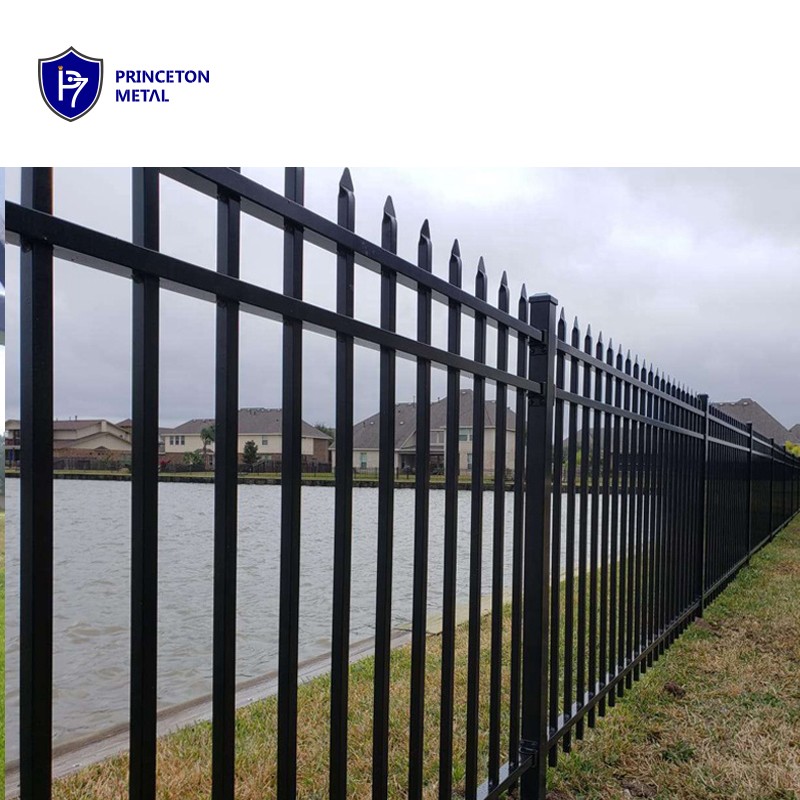
Pre-fabricated aluminum panels and posts
Post caps and screws provided by the manufacturer
Rubber mallet for adjusting panels
3.Plan the Layout
Measure the retaining wall’s length and mark post locations every 6–8 feet, depending on the fence design. Use chalk or spray paint to outline positions. Ensure corners and gates are accounted for, maintaining consistent spacing. For curved walls, opt for flexible aluminum panels or custom-cut sections.
4.Install Post Anchors
Method 1: Surface-Mounted Anchors (For Solid Walls)
Drill pilot holes into the retaining wall using a masonry bit.
Insert wedge anchors or sleeve anchors into the holes.
Attach metal post brackets to the anchors using nuts and bolts.
Method 2: Core-Drilled Holes (For Thicker Walls)
Use a core drill to create deep holes in the wall.
Fill holes with epoxy adhesive and insert steel reinforcing bars.
Attach aluminum posts to the bars using clamps or welding.
Method 3: Ground-Embedded Posts (For Low Walls)
Extend posts beyond the retaining wall into the soil.
Dig post holes 24–36 inches deep and fill with concrete.
Attach the aluminum fence to the posts once cured.
5.Attach Aluminum Panels
Slide the bottom rail of the first aluminum panel into the post slots.
Use a level to ensure vertical alignment.
Secure the panel to the post with self-tapping screws provided by the manufacturer.
Repeat for subsequent panels, leaving a ¼-inch gap for expansion.
6.Install Gates and Finishing Touches
Hang gates using heavy-duty hinges rated for aluminum.
Add post caps to prevent water ingress.
Seal screw heads with silicone caulk for weather resistance.
Part 2: Key Considerations When Installing Aluminum Fence on Retaining Wall
1.Weight Distribution
Aluminum fences are lighter than wood or wrought iron, but improper anchoring can still cause wall damage. Distribute weight evenly by spacing posts no more than 8 feet apart. Avoid concentrating force on weak points like mortar joints.
2.Drainage and Water Management
Retaining walls often have drainage systems to prevent hydrostatic pressure. Ensure fence installation does not block weep holes or gravel drainage layers. Elevate the aluminum fence base slightly above ground level to avoid water pooling.
3.Compliance with Local Codes
Check municipal regulations for fence height, setback requirements, and permits. Some areas restrict fences on retaining walls over a certain height (e.g., 4 feet). Obtain approval before starting work.
4.Thermal Expansion
Aluminum expands and contracts with temperature changes. Leave gaps between panels and posts as specified by the manufacturer (typically ¼–½ inch). Use flexible gaskets or slotted holes to accommodate movement.
5.Corrosion Resistance
While aluminum resists rust, dissimilar metals (e.g., steel screws) can cause galvanic corrosion. Use stainless steel or aluminum fasteners. Apply automotive wax annually to protect the fence’s finish.
Conclusion
Installing an aluminum fence on a retaining wall is a cost-effective way to enhance safety, privacy, and curb appeal. By following structured steps—from assessing wall integrity to selecting anchoring methods—you can achieve a durable and visually pleasing result. Prioritize even weight distribution, drainage, and compliance with local codes to avoid future issues.
Aluminum fences offer longevity with minimal upkeep, making them ideal for retaining wall applications. Regular inspections for loose screws or damage will prolong their lifespan. Whether for residential or commercial projects, this guide equips you with the knowledge to tackle installation confidently. With proper planning, your aluminum fence will not only secure your property but also elevate its aesthetic for years to come.