


Which is better vinyl or aluminum fencing
 Aug 26, 2025|
 View:803
When homeowners face the decision of selecting the right fencing material, durability, cost, aesthetics, and maintenance often dominate the discussion. Two popular options—vinyl and aluminum fencing—each offer distinct advantages and drawbacks. By analyzing their performance across key metrics, we can determine which material aligns better with specific needs.
Cost Analysis: Initial Investment vs. Long-Term Value
Vinyl fencing typically costs between 140 to 280 per meter, while aluminum fencing ranges from 160 to 320 per meter. At first glance, vinyl appears slightly cheaper, but this gap narrows when considering installation complexities. Aluminum fencing, though often priced higher, requires less labor for installation due to its lightweight design, which can reduce overall project costs. For example, a standard aluminum fence installation in Hamilton, New Zealand, might take fewer hours compared to vinyl, offsetting the material price difference.
Long-term value also plays a critical role. Aluminum fencing’s resistance to rust, rot, and insect damage means it rarely requires repairs over its 20+ year lifespan. Vinyl, while low-maintenance, can crack under extreme temperature fluctuations or impact, potentially leading to replacement costs. A study by the Western Fence Company in Utah noted that vinyl fences in regions with harsh winters or scorching summers showed a 15% higher failure rate than aluminum alternatives.
Durability: Weathering the Elements
Aluminum’s inherent strength makes it ideal for withstanding environmental stressors. Its corrosion resistance ensures it remains intact in coastal areas or regions with heavy rainfall, such as Hillcrest, New Zealand, where moisture-related decay is common. Additionally, aluminum fences are engineered to handle high winds without warping, a critical factor in hurricane-prone zones.
Vinyl fencing, while UV-resistant and waterproof, has limitations. Prolonged exposure to direct sunlight can cause fading, and temperatures below freezing may make the material brittle. For instance, a vinyl fence in St. Louis, Missouri, reportedly showed signs of discoloration after five years due to the city’s fluctuating climate. However, advancements like UV-proof coatings and reinforced bottom rails (as seen in products from Zhejiang Showtech Outdoor Products Co.) have improved vinyl’s resilience.
Maintenance: Time and Effort Savings
Aluminum fencing requires minimal upkeep—a simple hose-down or wipe with soapy water annually suffices to maintain its appearance. There’s no need for painting, staining, or sealing, making it a favorite among busy homeowners. Safety inspections are straightforward: checking for sharp edges or loose components takes minutes.
Vinyl fencing also boasts low maintenance, needing only occasional cleaning to remove dirt or mildew. However, repairs are trickier. Cracked panels often require full replacement, as vinyl cannot be patched like wood. Moreover, strong winds may dislodge poorly installed vinyl panels, posing safety risks. In contrast, aluminum’s rigid structure and secure fastening systems reduce such vulnerabilities.
Aesthetics and Customization: Curb Appeal Matters
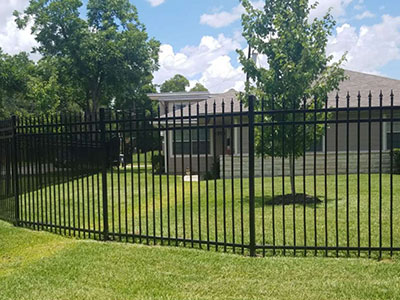
Aluminum fencing offers a sleek, modern aesthetic that complements contemporary homes. Its powder-coated finishes come in various colors, from classic black to earthy tones, and can mimic the look of wrought iron at a fraction of the cost. For example, Orange Fence & Supply highlights aluminum’s ability to provide “the strength of wrought iron without the weight or price tag.”
Vinyl fencing excels in versatility, offering styles ranging from privacy panels to picket designs. Its color palette is broader, with options like tan, gray, and even wood-grain textures. A vinyl fence can seamlessly blend with a home’s exterior, boosting curb appeal and property value. However, custom designs—such as curved tops or intricate patterns—are more challenging to execute with vinyl, often incurring higher costs.
Environmental and Safety Considerations
Aluminum is 100% recyclable, making it an eco-friendly choice for sustainability-conscious buyers. Its non-toxic production process also avoids the chemical treatments required for wood fences. Safety-wise, aluminum’s lack of sharp edges (when properly installed) reduces injury risks, while its stability prevents collapses.
Vinyl, while recyclable, generates more waste during manufacturing due to off-cuts and defective panels. Safety concerns include potential chemical leaching from low-quality vinyl and the risk of panels breaking into sharp fragments. Additionally, wire mesh or chain-link fences (often compared to vinyl for security) can be climbed by children, whereas aluminum’s solid construction provides better containment.
Conclusion: Why Aluminum Fencing Stands Out
While both vinyl and aluminum fencing have merits, aluminum emerges as the superior choice for most homeowners. Its unmatched durability, low maintenance, and eco-friendly profile make it a cost-effective long-term investment. Aluminum fencing’s resistance to weather extremes ensures it remains functional and attractive for decades, whereas vinyl’s susceptibility to cracking or fading under stress limits its lifespan. For those prioritizing safety, aluminum’s stable structure and lack of hazardous materials provide peace of mind. Whether installed in a humid climate like Hamilton’s Hillcrest or a windy coastal area, aluminum fencing consistently delivers reliability and aesthetic appeal. Ultimately, when weighing the pros and cons, aluminum fencing proves to be the smarter, more resilient option for modern homes.