


How In-Furnace Thermal Profiling Prevents Powder Coating Under-Curing in Architectural Aluminium
 Oct 28, 2026|
 View:63
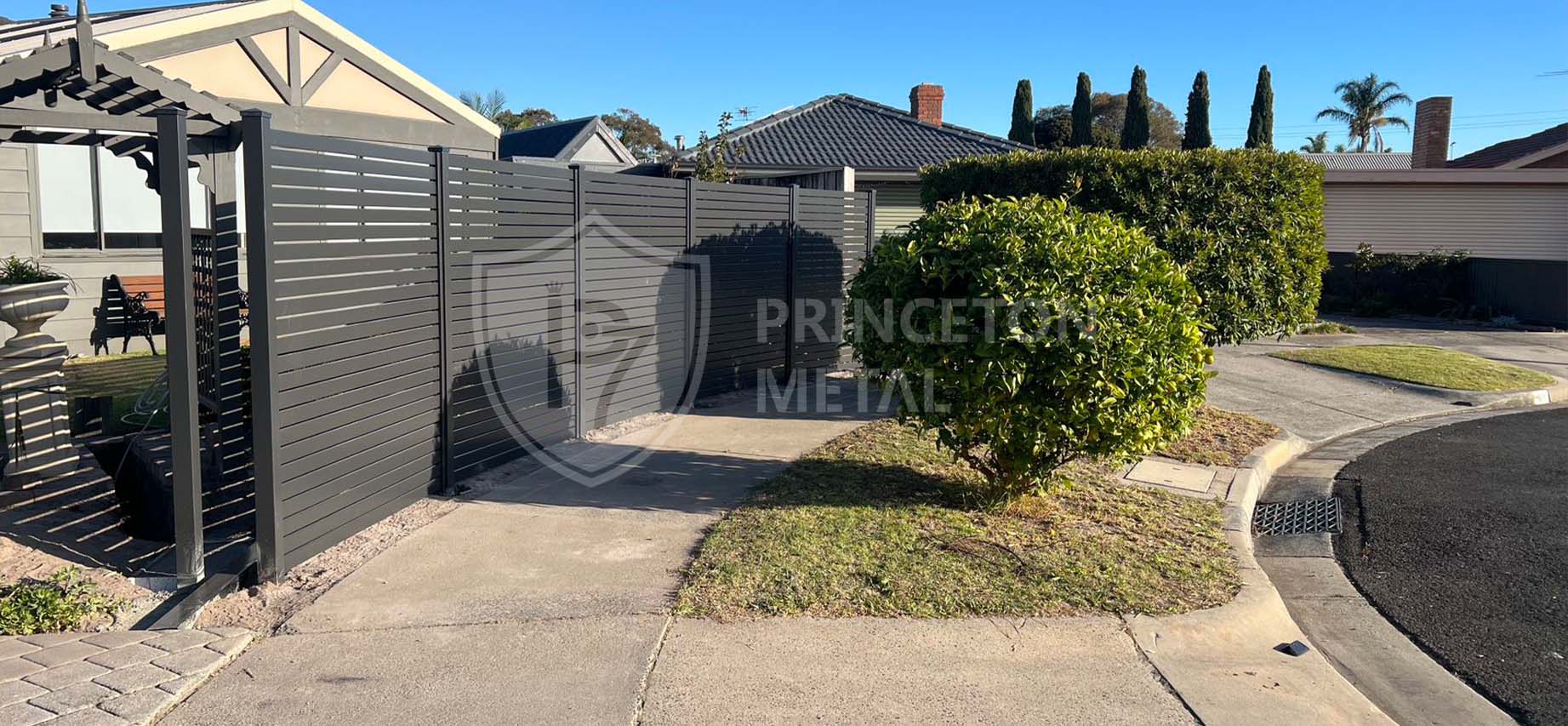
In Australia's commercial fencing, balustrade, and architectural screening sector, high labour costs and tight handover schedules leave little room for installation rework. Yet coating defects may go unnoticed when materials arrive from an offshore supplier, with clean finishes, approved colours, and consistent gloss.
The problem often emerges only when site crews cut posts, drill fixing holes, or tighten anchor bolts, causing the coating to chip or flake around cut edges. After 12 to 18 months of exposure to intense UV radiation and coastal salt air in Queensland or New South Wales, these vulnerable areas may blister, chalk, and peel.
While poor powder quality or insufficient film thickness may seem to be the cause, the underlying issue can be under-curing. The coating may look sound but lack the chemical cross-linking needed for reliable performance. Understanding this hidden defect is essential for reducing site rework, protecting project margins, and limiting warranty risks.
1.The Thermal Lag Dilemma: Why Oven Air Temperature Misleads
Architectural aluminium packages are rarely composed of uniform extrusions. A complete commercial fencing, privacy screening, or modular gate system order typically integrates mixed-gauge profiles traveling through the coating line together:
Heavy Structural Members: Cantilever gate beams, heavy-duty posts, and commercial balustrade stanchions with wall thicknesses from 3.0 mm to 5.0 mm.
Lightweight Infill Sections: Horizontal slats, louvre blades, pickets, and snap-in cover trims with wall thicknesses between 1.2 mm and 1.6 mm.
In high-volume finishing plants, these mismatched components are often loaded onto the same overhead conveyor chain and pass through an industrial convection curing oven simultaneously.
This setup introduces an operational trap: relying entirely on the digital temperature readout of the oven chamber. An automated control panel may report a steady air temperature of 200°C, but thermoset powder chemistry does not react to air temperature. Polymerization and cross-linking depend strictly on Peak Metal Temperature (PMT)—the actual core temperature of the aluminium substrate itself, held continuously across a specified dwell window.
If conveyor speeds and burner zones are calibrated primarily to thin-gauge parts or ambient oven air, heavy structural members exit the oven prematurely. On the surface, the powder has melted into an acceptable cosmetic sheen. Deep down, the cross-linking reaction remains incomplete.
The resulting finish lacks mechanical elasticity and substrate grip. When field adjustments or heavy structural stresses occur on site, this under-cured coating fails under shear, leading to edge chipping, premature corrosion creep, and costly compliance disputes during certifier inspections.
2.Eliminating Guesswork: In-Furnace Thermal Profiling
To control under-curing risks across mixed-gauge runs, relying on an operator's visual judgment is insufficient. Repeatable finishing quality requires empirical thermal mapping directly within active production lines using multi-channel electronic thermal profiling systems.
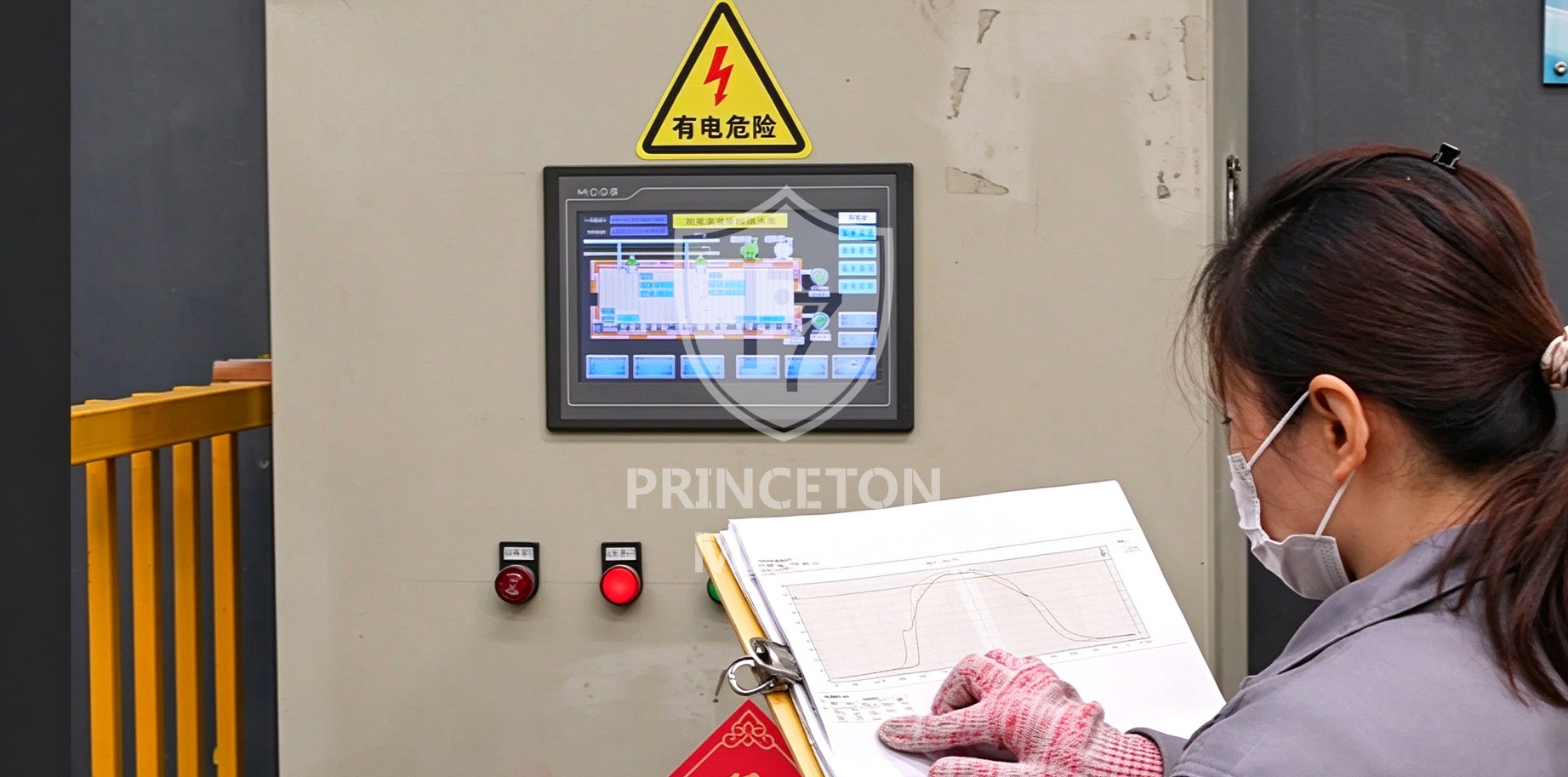 Princeton Metal — Oven Temperature Profile Testing
During line validation and periodic quality verification protocols, an instrumented data logger protected by an insulated thermal barrier travels through the curing oven on the conveyor alongside real production extrusions. Calibrated thermocouple sensors are mechanically attached to designated test positions across the load:
Secured to the deep interior core of the heaviest structural sections (the slowest-heating zones).
Attached to the mid-flange surfaces of structural rails.
Positioned on representative lightweight infill pickets to guard against thermal over-baking.
Mounted at both upper and lower elevations of the hanging rack to map any vertical heat stratification within the oven chamber.
As the test assembly moves through the heated zones, the logger records metal temperatures continuously, generating a precise time-versus-temperature heating curve.
Integrated analytical software calculates the Cure Index across each monitored thermocouple channel. If a heavy structural section reveals an insufficient Cure Index, engineers rebalance multi-zone burner outputs, adjust convective air-circulation dampers, or modulate conveyor chain speeds. Full production runs proceed only when both lightweight infill sections and heavy structural columns fall safely inside the validated curing window.
3.In-House Physical Verification: Safeguarding Handover Sign-Off
While in-furnace thermal profiling controls the chemical curing process at its source, systematic physical testing provides an essential secondary line of defense before crating and export. In a disciplined manufacturing environment, coating integrity is verified through structured mechanical tests:
(1)Multi-Point Dry Film Thickness Auditing
Proper curing requires consistent powder application. Using calibrated electromagnetic thickness gauges, quality inspectors take structured multi-point readings across external faces, internal radiuses, and mounting channels. This verifies that coating thickness stays within specified ranges (typically 70 µm to 90+ µm for premium architectural durability).
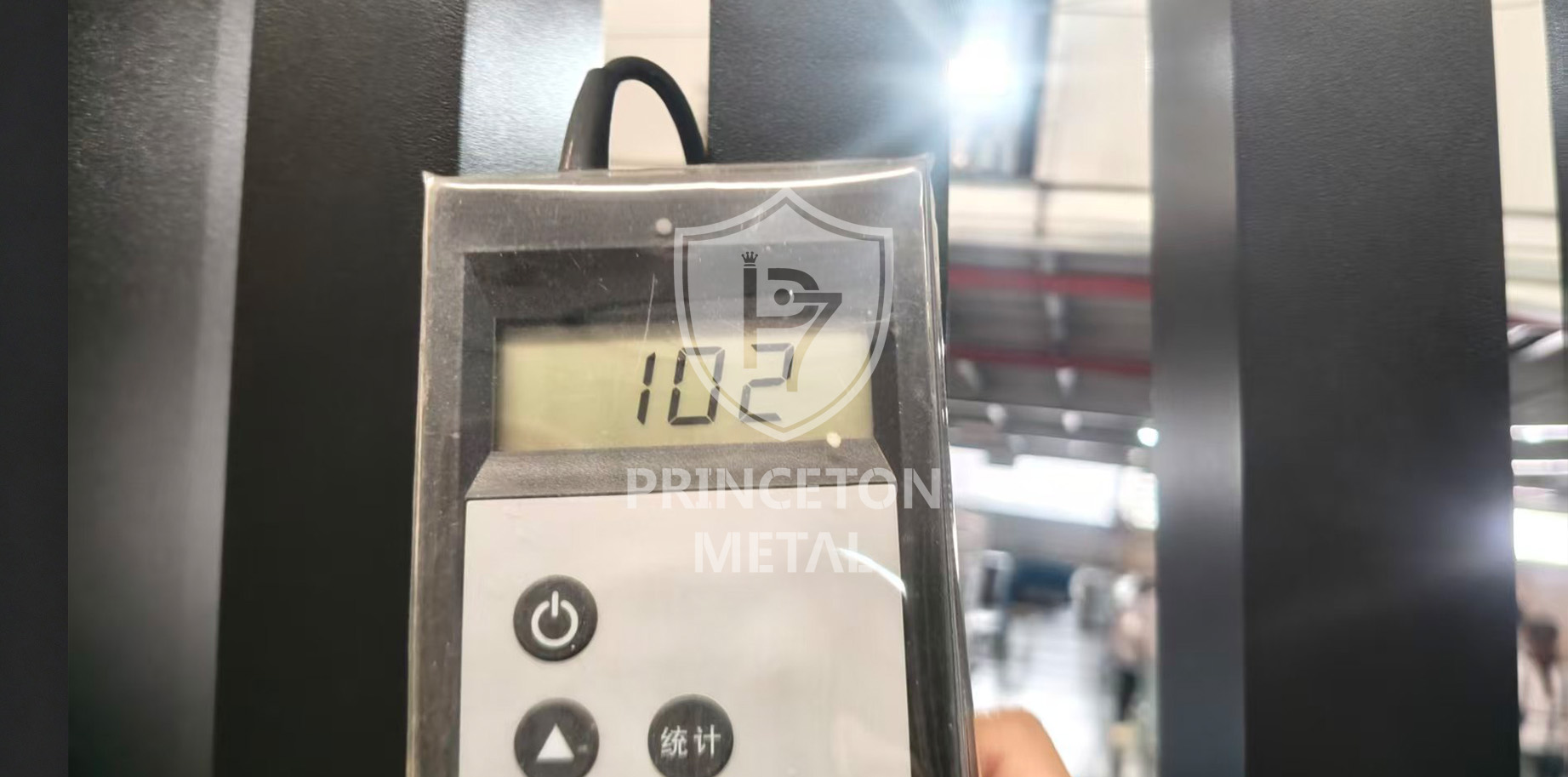 Princeton Metal — Dry Film Thickness (DFT) Measurement Data
(2)Cross-Hatch Adhesion Testing
To confirm interfacial bonding directly against the pretreated aluminium alloy, technicians execute cross-hatch tape adhesion tests aligned with recognized testing methodologies:
A precision multi-blade tool scribes a lattice grid through the coating down to the bare aluminium substrate.
Certified pressure-sensitive adhesive tape is applied firmly across the lattice and peeled away at a steady angle.
Cured coatings must achieve a Class 0 / 5B rating—exhibiting completely smooth cut edges with zero detachment of lattice squares. Any micro-flaking indicates resin embrittlement, triggering an immediate batch hold and root-cause review.
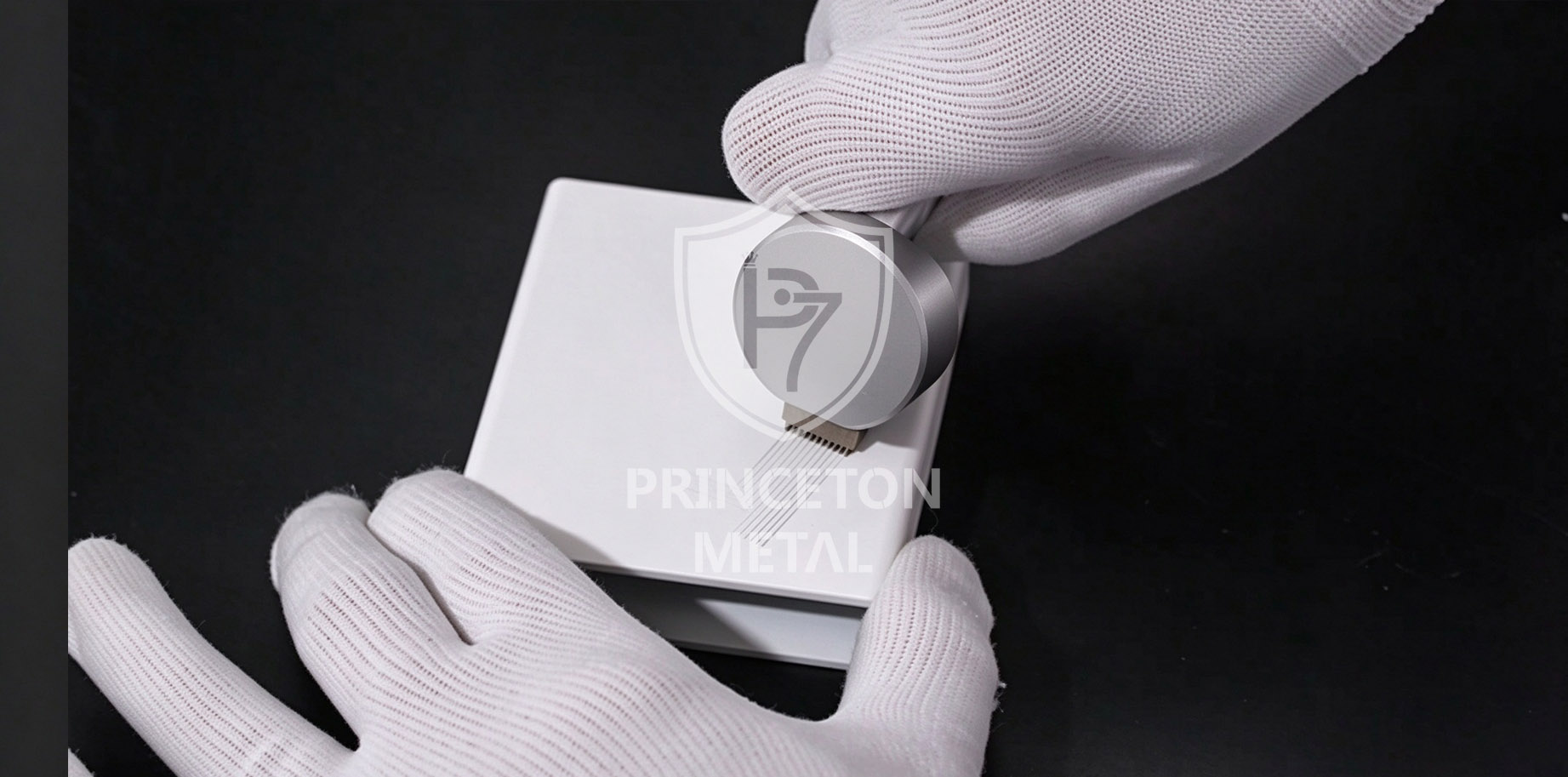 Princeton Metal — Cross-Hatch Adhesion Test
(3)Specular Gloss Uniformity
Specular gloss is highly sensitive to thermal history. Under-cured coatings often display abnormal gloss spikes or surface haze caused by uneven cross-linking density. Evaluating finish gloss with a calibrated multi-angle gloss meter ensures batch-to-batch visual continuity between structural posts and adjacent infill panels.
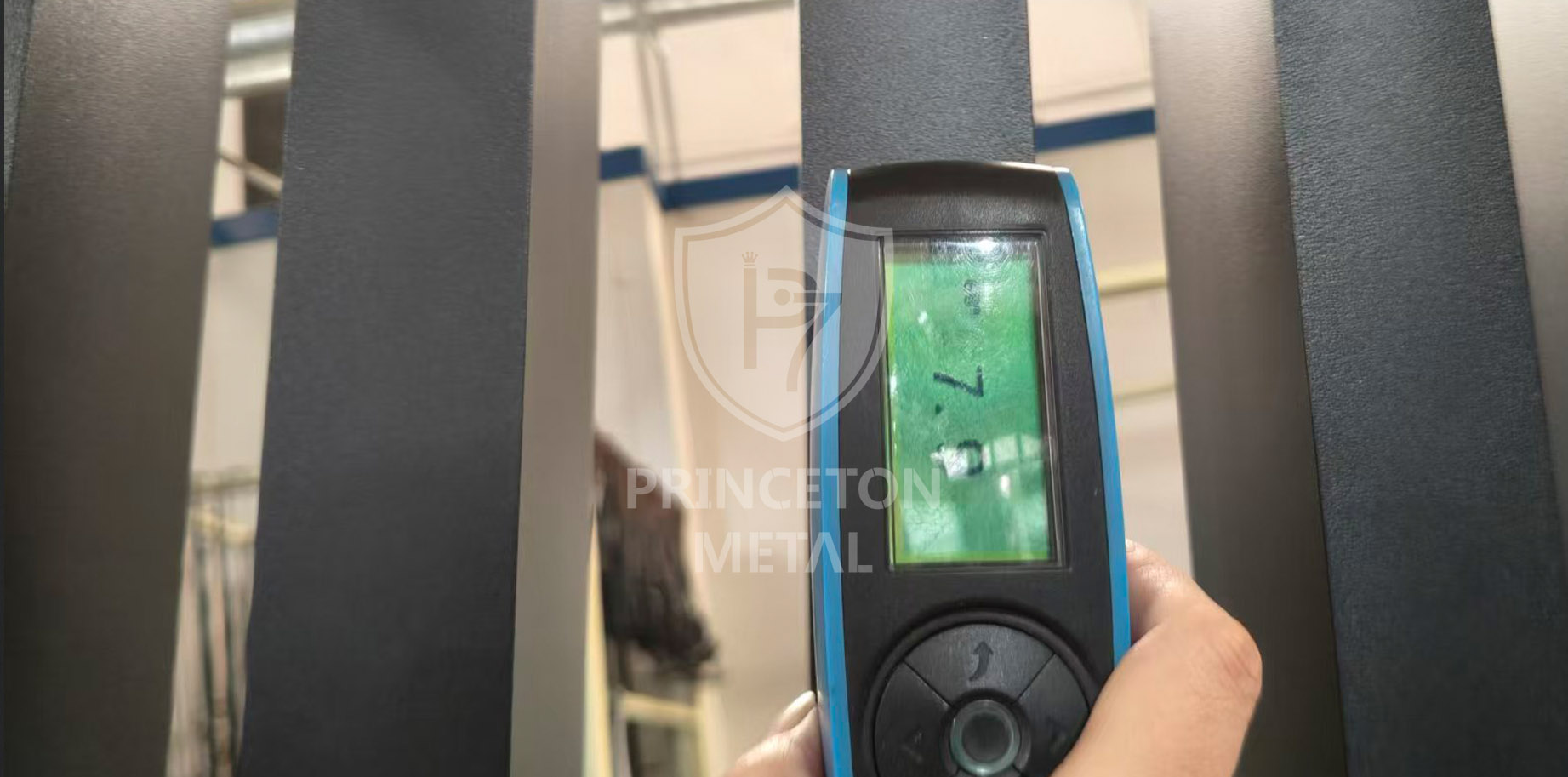
Princeton Metal — Specular Gloss Measurement Data
4.Manufacturing Reliability with Princeton Metal
In the demanding Australian built environment, an architectural aluminium installation is only as dependable as the technical discipline behind its surface finishing.
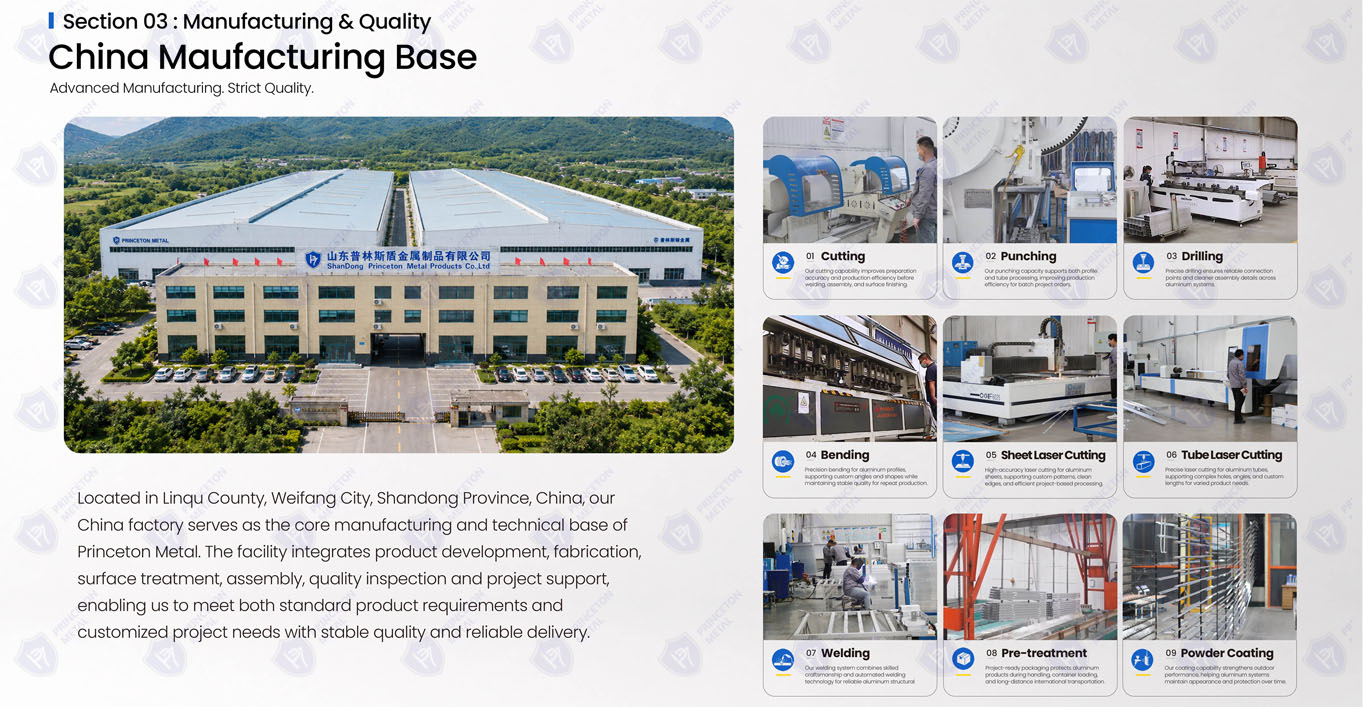
At Shandong Princeton Metal Products, precision manufacturing is paired with rigorous process control. Operating comprehensive in-house facilities—including aluminium extrusion, precision CNC machining, custom fabrication, an automated 9-stage chrome-free pre-treatment line, and architectural powder coating systems—the company supplies custom powder coated aluminum fencing, commercial balustrades, gates, and screening systems engineered specifically for Australian environmental conditions.
By integrating multi-channel thermal profiling with rigorous physical adhesion testing, Princeton Metal ensures that every profile—from heavy cantilever tracks to lightweight privacy slats—delivers the mechanical adhesion, weathering resilience, and installation reliability that commercial projects require.
Looking to specify or procure custom architectural aluminium systems for upcoming Australian projects?
Send us your drawings, product specifications or project requirements to discuss a suitable manufacturing solution.
Tel: 0086-17616763451
WhatsApp: +86-17616763451
Email: sales@princetonmetal.com
Factory Address: NO.2788, Nanhuan Road, Linqu County, Weifang City, Shandong Province, China, 262600