


how to install aluminium slat fencing
 Mar 27, 2025|
 View:1476
Aluminium slat fencing has become a popular choice for modern homeowners seeking a blend of aesthetics, durability, and low maintenance. Whether you’re enhancing privacy, defining boundaries, or adding a contemporary touch to your outdoor space, installing aluminium slat fencing is a rewarding project. This guide will walk you through the process step-by-step, ensuring your aluminium slat fencing not only looks stunning but also stands the test of time.
1.Planning and Preparation
Before diving into installation, proper planning is crucial. Begin by measuring the area where your aluminium slat fencing will be installed. Consider the terrain—slopes or uneven ground may require additional steps for stability. Choose a design that complements your property’s style, whether horizontal, vertical, or a decorative pattern.
Next, gather your tools and materials. You’ll need:
Aluminium slat panels (pre-cut or custom-sized)
Galvanized steel posts or aluminium posts
Concrete mix for post installation
Screws, bolts, and brackets designed for aluminium slat fencing
A post-hole digger or auger
Spirit level, tape measure, and marking tools
Safety gear (gloves, goggles, and a dust mask)
2.Installing the Posts
The foundation of your aluminium slat fencing relies on secure posts. Dig holes at least 600mm deep (or as recommended by local building codes) for each post. For stability, set posts in concrete, ensuring they’re perfectly vertical using a spirit level. Allow the concrete to cure for 24–48 hours before attaching panels.
If using aluminium posts, note that they’re lighter than steel but may require additional bracing in high-wind areas. Always follow manufacturer guidelines for spacing between posts—typically 1.8–2.4 meters apart, depending on panel length.
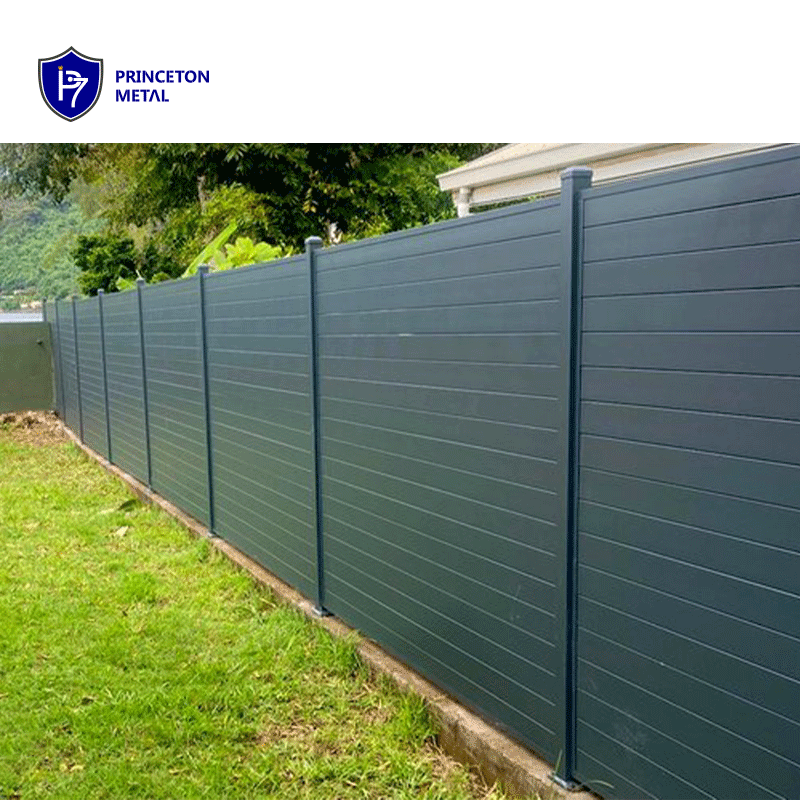
3.Attaching the Aluminium Slat Panels
Once posts are set, it’s time to install the star of the show: the aluminium slat fencing. Begin by attaching mounting brackets to the posts. These brackets should align with the pre-drilled holes on your slat panels.
Carefully lift each panel into position, ensuring the slats are oriented correctly (some designs have directional patterns). Secure the panels to the brackets using stainless steel screws, which resist corrosion and match the modern aesthetic of aluminium. For added rigidity, consider cross-bracing between posts, especially for taller fences.
4.Customizing and Finishing Touches
Aluminium slat fencing offers versatility in customization. If desired, add decorative elements like post caps, solar lights, or trellises for climbing plants. For a seamless look, ensure all screws are countersunk and holes are filled with matching aluminium plugs.
Finally, inspect your work. Check for gaps, loose screws, or uneven panels. A quick wash with mild soap and water will remove any construction debris, leaving your aluminium slat fencing gleaming.
5.Maintenance and Longevity
One of the biggest advantages of aluminium slat fencing is its low-maintenance nature. Unlike wood, it doesn’t rot, warp, or require painting. Periodic cleaning with a hose or soft brush keeps it looking new. For coastal areas, opt for marine-grade aluminium to resist salt corrosion.
Conclusion
Installing aluminium slat fencing is a worthwhile investment that enhances both security and curb appeal. By following this guide, you’ve ensured a sturdy, stylish boundary that requires minimal upkeep. The sleek lines and modern appeal of aluminium slat fencing make it a standout feature for any property. Whether you’re a DIY enthusiast or hiring a professional, prioritize quality materials and precise installation to enjoy decades of satisfaction from your aluminium slat fencing. With its durability and timeless design, it’s no wonder this fencing solution remains a top choice for homeowners worldwide.