


Is aluminum railing cheaper than wood
 Feb 03, 2026|
 View:782
When upgrading a deck, porch, or staircase, selecting the right railing material involves balancing upfront costs with long-term maintenance and durability. Among the most debated options are aluminum and wood railings. While wood has traditionally been the budget-friendly choice, advancements in aluminum production and its inherent advantages are reshaping the cost landscape. This article delves into the financial implications of both materials, examining initial expenses, maintenance demands, and lifespan to determine whether aluminum railing truly offers better value than wood.
Initial Cost Comparison: Wood’s Lower Price Tag vs. Aluminum’s Premium Appeal
Wood railings remain the most affordable option for many homeowners, with installed costs ranging from 20 to 60 per linear foot depending on the wood type (e.g., pressure-treated pine, cedar, or redwood) and design complexity. For instance, a basic 50-foot deck railing in treated pine might cost 1,000 to 3,000 for materials and labor. Wood’s appeal lies in its versatility—it can be stained, painted, or carved into intricate patterns, making it ideal for rustic or traditional homes.
In contrast, aluminum railings start at 50 to 200 per linear foot, with high-end designs or custom finishes pushing costs higher. A similar 50-foot aluminum railing system could range from 2,500 to 10,000. This premium reflects aluminum’s durability, lightweight construction, and resistance to rust and corrosion. However, the price gap narrows when comparing aluminum to high-quality woods like ipe or teak, which can cost 50 to 100 per linear foot installed—nearly matching aluminum’s lower-end pricing.
Maintenance Costs: The Hidden Expense of Wood Railings
While wood’s initial affordability is attractive, its long-term costs often outweigh those of aluminum. Wood railings require annual maintenance, including:
Staining or sealing: Every 1–3 years to prevent rot, warping, and insect damage.
Repairs: Replacing cracked or splintered boards, especially in humid or coastal climates.
Painting: For those opting for painted finishes, repainting every 3–5 years is necessary.
Over a decade, maintenance for a 50-foot wood railing could add 2,000 to 5,000 to the total cost, depending on climate and upkeep frequency. For example, a homeowner in Florida might spend 500annuallyonwoodrailingmaintenance,totaling 5,000 over ten years.
Aluminum railings, by contrast, demand minimal upkeep. Their powder-coated finishes resist fading, chipping, and corrosion, requiring only occasional cleaning with soap and water. Even in harsh environments, aluminum’s maintenance costs over ten years are typically under $500, making it a far more economical choice long-term.
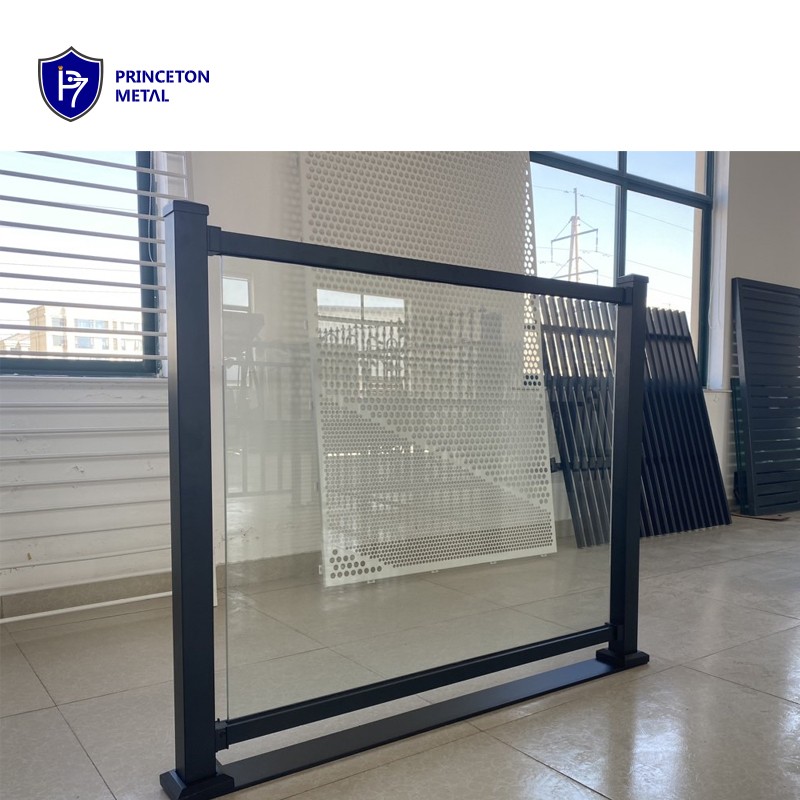
Durability and Lifespan: Aluminum’s Edge Over Wood
Wood railings have a lifespan of 10–20 years, depending on the wood type and maintenance. Pressure-treated pine may last 10–15 years, while cedar or redwood can endure 15–20 years with diligent care. However, exposure to moisture, sunlight, and pests accelerates degradation, leading to premature replacement.
Aluminum railings boast a lifespan of 30+ years, with no risk of rot, rust, or insect damage. Their structural integrity remains intact even in extreme weather, making them ideal for coastal or high-humidity regions. For instance, a homeowner in Maine installing aluminum railings on a deck facing the Atlantic Ocean can expect decades of use without replacement, whereas wood railings might require full replacement after 15 years due to saltwater corrosion.
Installation Complexity: Time Equals Money
Wood railings often involve labor-intensive installation, especially for custom designs. Cutting, fitting, and securing wooden posts and balusters demands precision, and heavier woods like oak require additional manpower. This complexity can increase labor costs by 20–30% compared to aluminum.
Aluminum railings, being lightweight and modular, are quicker to install. Many systems use pre-assembled panels that snap into place, reducing labor time by up to 50%. For a 50-foot railing project, this could save 500 to 1,500 in installation fees, further narrowing the cost gap with wood.
Conclusion: Why Aluminum Railing Emerges as the Cost-Effective Choice
While wood railings offer a lower initial price point, their recurring maintenance costs, shorter lifespan, and labor-intensive installation make them less economical over time. Aluminum railing, despite its higher upfront cost, delivers superior durability, minimal upkeep, and faster installation, translating to significant savings in the long run. For homeowners prioritizing both aesthetics and budget, aluminum railing proves to be a wise investment, combining modern design flexibility with unmatched resilience. Whether upgrading a coastal deck or a suburban porch, choosing aluminum railing ensures lasting value without compromising on style or safety.