


Is aluminum railing cheaper than wrought iron
 Aug 18, 2025|
 View:2910
When selecting railing materials for residential or commercial projects, cost often serves as the primary decision-making factor. Aluminum and wrought iron are two popular choices, each offering distinct advantages in aesthetics and durability. However, the question of whether aluminum railing is cheaper than wrought iron involves multiple layers of analysis, including initial material costs, installation expenses, and long-term maintenance. This article delves into these factors to provide a clear comparison.
1.Initial Material Costs: Aluminum’s Affordability Edge
Aluminum railing systems typically cost 50 to 200 per linear foot, depending on design complexity, post size, and regional pricing variations. In contrast, wrought iron railings range from 65 to135 per linear foot for standard installations, with high-end custom designs exceeding $200 per foot. This price difference stems from material sourcing and manufacturing processes:
Aluminum is abundant, lightweight, and easily extruded into standardized profiles, reducing production costs.
Wrought iron requires skilled craftsmanship to forge intricate patterns, and its raw material (iron ore) is heavier and more labor-intensive to process.
For example, a 25-foot stair railing project would cost 1,625 to 3,375 for wrought iron versus 1,250 to 5,000 for aluminum, with the latter’s upper range reflecting premium finishes or custom designs.
2.Installation Costs: Aluminum’s Labor Efficiency
Installation expenses further widen the cost gap. Aluminum’s lightweight nature (weighing 60–70% less than wrought iron) simplifies handling, enabling faster installation by contractors or even DIY enthusiasts. Labor costs for aluminum railings average 10–30 per linear foot, whereas wrought iron installations require specialized equipment and skilled labor, costing 15–35 per linear foot due to:
Structural reinforcement: Heavy wrought iron sections may need additional support beams.
Time-intensive processes: Cutting, welding, and aligning iron components demand precision, extending project timelines.
A 50-foot aluminum railing installation might total 3,000–6,500 (materials + labor), while the same wrought iron project could reach 4,000–8,500.
3.Maintenance Costs: Aluminum’s Long-Term Savings
While wrought iron’s durability is legendary, its susceptibility to rust demands ongoing upkeep. Homeowners must:
Sand and repaint every 3–5 years to prevent corrosion.
Inspect joints for cracks, which are costly to repair due to welding requirements.
Annual maintenance costs for wrought iron average 5–10 per linear foot, adding up to 250–500 yearly for a 50-foot railing.
Aluminum railings, coated with powder finishes, are rust-resistant and require minimal maintenance—occasional cleaning with soap and water suffices. Over a 20-year lifespan, aluminum’s maintenance costs are 80–90% lower than wrought iron’s, making it a more economical choice despite higher upfront expenses in some cases.
4.Aesthetic Customization: Balancing Cost and Design
Both materials offer customization options, but aluminum provides greater flexibility at a lower cost:
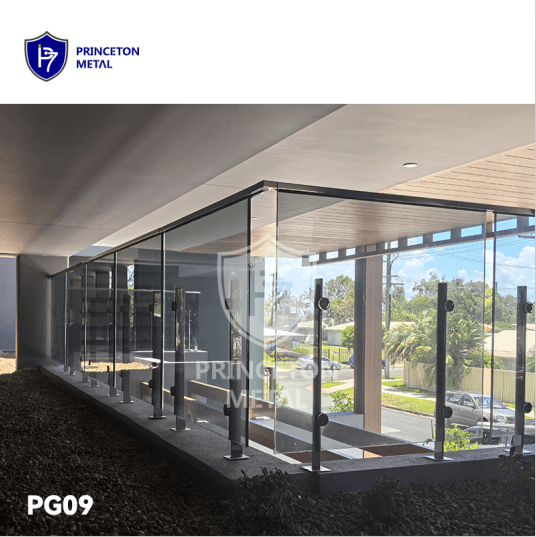
Aluminum comes in infinite colors via powder coating and accepts accessories like LED lights or glass panels without significant price hikes.
Wrought iron relies on manual forging for decorative elements (e.g., scrolls, floral motifs), increasing costs by 20–50% for intricate designs.
For budget-conscious projects, aluminum’s ability to mimic wrought iron’s classic look through textured finishes offers a cost-effective alternative without sacrificing style.
Conclusion: Aluminum Railing Emerges as the Cost-Effective Champion
When evaluating total cost of ownership—initial expenses, installation, and maintenance—aluminum railing consistently outperforms wrought iron for most applications. While wrought iron may suit heritage properties or high-end designs where traditional aesthetics are paramount, aluminum’s affordability, ease of installation, and minimal upkeep make it the superior choice for budget-aware homeowners and contractors. By opting for aluminum railing systems, consumers can achieve a balance of durability, style, and long-term savings, ensuring their investment remains attractive and functional for decades. Whether renovating a deck or securing a balcony, aluminum railing proves that cost-efficiency and quality need not be mutually exclusive.