


How much do aluminum railings cost per foot
 Sep 25, 2025|
 View:12687
When planning a deck renovation or new construction, aluminum railings are often a top choice for homeowners seeking durability, low maintenance, and modern aesthetics. However, understanding the cost per linear foot—and the factors influencing it—is crucial for budgeting effectively. This guide breaks down the pricing spectrum, material variations, and hidden costs to help you make an informed decision.
Average Cost Range for Aluminum Railings
The cost of aluminum railings varies widely based on material quality, design complexity, and installation requirements. As of 2025, the national average for aluminum railings ranges from 40 to 200 per linear foot, with most projects falling between 60 and 120 per foot when installation is included. This broad range reflects differences in post size, gauge (thickness), and customization options.
Basic Systems: Entry-level aluminum railings with standard powder-coated finishes and simple designs typically cost 40–70 per linear foot for materials alone. Installed, this rises to 70–90 per foot.
Mid-Range Options: Railings with decorative elements, heavier gauges, or commercial-grade certifications (e.g., 42-inch height for public spaces) average 80–120 per foot installed.
Premium Systems: Custom-designed railings with intricate patterns, LED lighting, or coastal-grade coatings can exceed 150–200 per linear foot.
Cost Breakdown: Materials vs. Installation
The total cost of aluminum railings is split between materials and labor, with installation often accounting for 40–60% of the total budget.
1.Material Costs:
Stock Designs: Pre-fabricated aluminum panels or kits cost 25–50 per linear foot for basic models.
Custom Fabrication: Railings tailored to specific deck shapes or architectural styles (e.g., curved sections) may cost 60–100 per foot for materials.
Finishes: Standard powder-coated finishes are included in base prices, but premium options like wood-grain textures or metallic hues add 5–15 per foot.
2.Installation Costs:
Labor rates vary by region but average 30–50 per linear foot for standard installations.
Complex projects (e.g., multi-level decks, stair railings, or integration with existing structures) can increase labor costs to 70–100 per foot.
Additional fees may apply for permits, site preparation, or disposal of old railings.
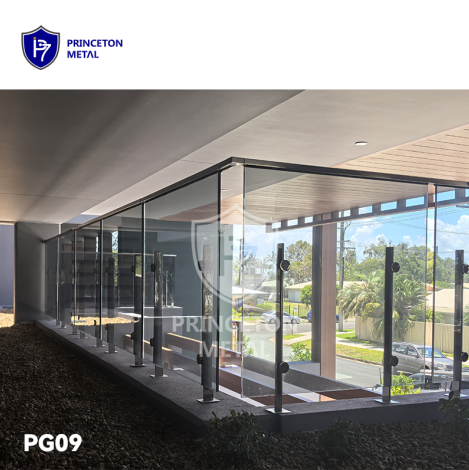
Comparing Aluminum to Other Materials
Aluminum railings are often priced higher than wood or vinyl but offer long-term savings through minimal maintenance. Here’s how they stack up against alternatives:
| Material | Cost per Linear Foot (Installed) | Key Traits |
| Wood | 20–50 | Affordable but requires annual staining/sealing. |
| Vinyl (PVC) | 25-60 | Low maintenance but limited color options. |
| Composite | 30-60 | Durable and eco-friendly but less customizable. |
| Stainless Steel | 70-250 | High-end look but prone to fingerprints and scratches. |
| Glass | 100-600 | Modern aesthetic but high cost and cleaning demands. |
Aluminum strikes a balance between affordability and performance, making it a popular choice for coastal homes (due to saltwater resistance) and busy households (thanks to easy cleaning with soap and water).
Factors Influencing Aluminum Railing Costs
1.Design Complexity: Curved railings, custom baluster patterns, or integrated lighting systems increase fabrication time and material waste, raising costs by 20–50%.
2.Post Size and Gauge: Thicker posts (e.g., 3-inch vs. 2-inch) and heavier gauges (e.g., 0.125-inch vs. 0.0625-inch) improve structural integrity but add 10–30 per foot.
3.Height Requirements: Commercial projects requiring 42-inch railings (vs. residential 36-inch) use more material, increasing costs by 15–25%.
4.Geographic Location: Labor and material costs are higher in urban areas like New York or San Francisco compared to rural regions.
Conclusion: Why Aluminum Railings Are Worth the Investment
While aluminum railings may not be the cheapest option upfront, their longevity, weather resistance, and minimal upkeep make them a cost-effective choice over time. Unlike wood, which requires repainting every few years, or wrought iron, which is prone to rust, aluminum railings retain their structural integrity and appearance for decades with basic care. For homeowners prioritizing durability and modern aesthetics, investing in aluminum railings is a decision that pays dividends in both safety and curb appeal. Whether you’re renovating a backyard deck or designing a commercial rooftop terrace, aluminum railings offer a versatile, reliable solution tailored to your budget and style.